Ouve este podcast gratuitamente na aplicação: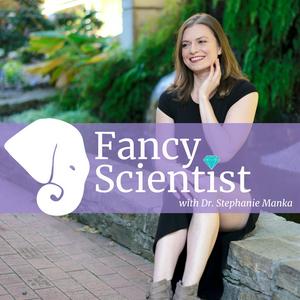 Descarrega gratuitamente na App Store
radio.pt
Sleeptimer
Guardar rádio
149 episódios

LISTEN Like a Scientist: Tips & Tools | Wildlife Biology for Kids Club
21/1/2026 | 5minToday, we're tuning into the world of animal sounds and learning to observe nature like true scientists. We'll sharpen our sense of SOUND, and I'll introduce an activity to close your eyes and listen to the natural world around you. Once you start REALLY listening, you'll be amazed at how noisy our world really is. You'll likely hear birds, mammals, and, depending on the time of year, insects and maybe even herps like amphibians!
You'll also notice how much noise HUMANS make. Planes flying overhead, cars driving by, the sounds of lawnmowers, and leafblowers are just a few things you are likely to hear. How do these sounds affect animals? Called noise pollution, these sounds can actually impact an animal's survival. Through this video and activity, you'll be exploring how and why.
Learn how to document these sounds in a nature journal and discover how different times of the day and seasons influence what you hear. I'll also introduce you to the Merlin ID app, which helps identify bird species by their calls.
Are you a parent wanting to get your kids outside and learning about wildlife? Join the Wildlife Biology for Kids Club! Every week, you'll receive exclusive access to the accompanying downloadable activities, printables, get connected with a community of like-minded individuals, and more.
🦊 Enroll in the Wildlife Biology for Kids Club here: https://stephanieschuttler.com/wildlife-biology-kids-program/
Resources mentioned in this video:
👉Merlin BirdID app
✍️ SIGN UP for my next FREE training: https://fancyscientist.com/3-pillars-to-success/
🗺️ Get my FREE wildlife career guide: https://fancyscientist.com/wildlife-career-success-guide/
📚 Read Getting a Job in Wildlife Biology: What It’s Like and What You Need to Know: https://www.amazon.com/Getting-Job-Wildlife-Biology-What/dp/B08JDYXS4G/
🚀 Work with me! Programs: https://stephanieschuttler.com/work-with-me/
I’m Dr. Stephanie Manka (formerly Schuttler), a wildlife biologist of 20 yrs who is on a mission to empower wildlife professionals and break stereotypes of scientists so they can get jobs, live out their life’s purpose and make a difference in this world.
🎥 How I became a wildlife biologist: https://youtu.be/zBvHRDO7gIg
Full show notes:
👉https://stephanieschuttler.com/145-listen
Let’s connect! 🤝✨
Website: https://fancyscientist.com/
Getting a Job in Wildlife Biology Facebook Group: https://www.facebook.com/groups/gettingajobinwildlifebiology
YouTube: https://www.youtube.com/@FancyScientist
Instagram: https://www.instagram.com/fancy_scientist/
LinkedIn: https://www.linkedin.com/in/sgschuttler/
Facebook: https://www.facebook.com/fancyscientist/
Twitter: https://twitter.com/FancyScientist
Threads: https://www.threads.net/@fancy_scientist
Bluesky: https://bsky.app/profile/fancyscientist.bsky.social
Pinterest: https://www.pinterest.com/fancyscientist/Learn Animal Behavior with Squirrels | Wildlife Biology for Kids Club
13/1/2026 | 7minAnimal behavior is one of my FAVORITE topics, and we’re studying it through an animal you’ve probably seen a thousand times but never truly observed: squirrels!
Why squirrels? They’re abundant, easy and fun to watch (one of my friends called them “our” monkeys), and perfect for learning how scientists study behavior in the real world. In this video, I talk about:
What animal behavior is 💡
The kinds of animals scientists study to understand behavior 🌍
How YOU can help scientists by joining Project Squirrel 🐿️
What data you’ll collect and why it matters 📊
📓 The bonus animal behavior ethogram activity you’ll get inside the Wildlife Biology for Kids Club, as well as worksheets on using squirrels to conduct observations on foraging, communication, habitat use, and personalities
In Project Squirrel, you’ll help scientists figure out where different species live, why they live there, and how human activity impacts them. Even if you don’t see squirrels, your observations still help real researchers! Understanding where squirrels don’t live is just as important as understanding where they do live.
Plus:
🐦 If squirrels aren’t in your area, you can conduct the same exercises with birds and submit your observations to help scientists at eBird.
🦅 We’ll also preview upcoming winter bird-focused projects, so start sharpening your bird observation skills.
Whether you’re a curious kid, parent, teacher, or nature lover, this video and the downloadable activities in the Wildlife Biology for Kids Club will get you outside, observing, asking questions, and contributing to community science.
Let’s explore animal behavior squirrel-style! 🐿️✨
Are you a parent wanting to get your kids outside and learning about wildlife? Join the Wildlife Biology for Kids Club! You'll receive exclusive access to the accompanying downloadable activities, printables, get connected with a community of like-minded individuals, and more.
🦊 Enroll in the Wildlife Biology for Kids Club here: https://stephanieschuttler.com/wildlife-biology-kids-program/
I’m Dr. Stephanie Manka (formerly Schuttler), a wildlife biologist of 20 yrs who is on a mission to connect people with nature so that we can restore our planet while rediscovering who we really are.
Full Show Notes:
👉 https://stephanieschuttler.com/144-project-squirrel/
Let’s connect! 🤝✨
Website: https://fancyscientist.com/
Getting a Job in Wildlife Biology Facebook Group: https://www.facebook.com/groups/gettingajobinwildlifebiology
YouTube: https://www.youtube.com/@FancyScientist
Instagram: https://www.instagram.com/fancy_scientist/
LinkedIn: https://www.linkedin.com/in/sgschuttler/
Facebook: https://www.facebook.com/fancyscientist/
Twitter: https://twitter.com/FancyScientist
Threads: https://www.threads.net/@fancy_scientist
Bluesky: https://bsky.app/profile/fancyscientist.bsky.social
Pinterest: https://www.pinterest.com/fancyscientist/OBSERVE Like a Scientist: Tips & Tools | Wildlife Biology for Kids Club
13/11/2025 | 4minConducting accurate and meaningful observations are a CRITICAL part of being a scientist. In this video, learn how to conduct DETAILED observations in nature. Discover the benefits of nature journaling and using a camera to capture intricate things you wouldn't notice.
Are you a parent wanting to get your kids outside and learning about wildlife? Join the Wildlife Biology for Kids Club! You'll receive exclusive access to the accompanying downloadable activities, printables, get connected with a community of like-minded individuals, and more.
🦊 Enroll in the Wildlife Biology for Kids Club here: https://fancyscientist.com/wildlife-biology-kids-program/
Dream of being a wildlife biologist, zoologist, conservation biologist, or ecologist? Ready to turn your love of animals into a thriving career?🌿🐘 Then…
✍️ SIGN UP for my next FREE training: https://fancyscientist.com/3-pillars-to-success/
🗺️ Get my FREE wildlife career guide: https://fancyscientist.com/wildlife-career-success-guide/
📚 Read Getting a Job in Wildlife Biology: What It’s Like and What You Need to Know: https://www.amazon.com/Getting-Job-Wildlife-Biology-What/dp/B08JDYXS4G/
🚀 Work with me! Programs: https://stephanieschuttler.com/work-with-me/
I’m Dr. Stephanie Manka (formerly Schuttler), a wildlife biologist of 20 yrs who is on a mission to empower wildlife professionals and break stereotypes of scientists so they can get jobs, live out their life’s purpose and make a difference in this world.
🎥 How I became a wildlife biologist: https://youtu.be/zBvHRDO7gIg
Full show notes:
👉https://stephanieschuttler.com/143-observe-like-a-scientist/
Let’s connect! 🤝✨
Website: https://fancyscientist.com/
Getting a Job in Wildlife Biology Facebook Group: https://www.facebook.com/groups/gettingajobinwildlifebiology
YouTube: https://www.youtube.com/@FancyScientist
Instagram: https://www.instagram.com/fancy_scientist/
LinkedIn: https://www.linkedin.com/in/sgschuttler/
Facebook: https://www.facebook.com/fancyscientist/
Twitter: https://twitter.com/FancyScientist
Threads: https://www.threads.net/@fancy_scientist
Bluesky: https://bsky.app/profile/fancyscientist.bsky.social
Pinterest: https://www.pinterest.com/fancyscientist/Plentiful Work in a Competitive Field: Wetland Conservation and Restoration with Patrick Raney
06/11/2025 | 51minIt’s well known that careers in wildlife, conservation, and the environment are incredibly competitive. In fact, it’s not uncommon for a job to have hundreds of applicants. So you might be surprised to hear that there are jobs that are difficult for employers to fill. Yes, difficult! (insert mind blown emoji here). To be honest, I was surprised too.
Today’s episode of the Fancy Scientist podcast is inspired by this recent insight, and it came about through a new connection on LinkedIn. Dr. Patrick Raney, the Director of Conservation Programs in the Great Lakes Atlantic region of Ducks Unlimited, and I were messaging each other about conservation jobs, and he mentioned that it had actually been difficult for him to find qualified applicants to fill certain positions Given that so many people are struggling to get jobs, I immediately thought that this was wonderful news and that I needed to have him on the podcast to learn more and help those in need.
As the Director of Conservation Programs in the Great Lakes Atlantic region of Ducks Unlimited, Patrick leads wetland restoration and mitigation efforts to restore habitat, protect biodiversity, and ensure that long-term conservation wins for both wildlife and communities.
In this episode, you’ll learn about Patrick’s winding career path to Ducks Unlimited and early interest in conservation. We also talk a lot about what I am now calling “wildlife adjacent careers,” that is, careers that are related to wildlife work, but are not necessarily directly involved in research. This includes fields that you might not think of when it comes to helping wildlife, in this case, careers in engineering that rebuild wetland habitats.
Patrick initially trained as a plant biologist and started his journey at the early age of 16 with a summer camp job that he demanded (yes, demanded!). It’s a great story that you won’t want to miss. In it, he demonstrates his unstoppable attitude towards going after your wildlife career, which is CRITICAL in this field. We also follow his career progression through various roles in environmental science and research.
We talk in-depth about Patrick’s work at Ducks Unlimited, how he uses different strategies to support wetland species, and especially ducks. You’ll learn how Ducks Unlimited approaches wetland conservation, working with stakeholders, and achieving results that are a win-win for wildlife and partners.
Throughout the conversation, Patrick offers a lot of valuable advice for early professionals in wildlife careers. We cover the importance of volunteering and building experience, and that a little goes a long way, as well as the value of transferable skills from non-wildlife jobs in environmental careers. Patrick shares advice on the importance of networking and even making proactive job applications. He mentions that he occasionally hires candidates who reach out directly, even if there are no immediate positions available!
Given that we met each other over LinkedIn, we also go into the importance of this platform, which I have become obsessed with recently. Ever since I took some training and developed my own LinkedIn for Wildlife Careers Masterclass, I have been using and loving LinkedIn. He talks about how he believes it is a powerful career tool, and uses it for job recruitment offering you tips on how you can use LinkedIn to your advantage.
If you’re interested in wildlife careers, you’re going to get a lot of specific and concrete advice on how to approach your career, as well as creative ideas to think differently than others to set yourself apart. And if you’re not on a wildlife career track, you’re going to learn about important conservation practices that work and successful wetland restoration efforts.
Specifically, we go over:
What wildlife adjacent jobs are and how to think about careers in conservation
Patrick’s work at Ducks Unlimited and what they do as an organization to protect wildlife
How Patrick got started in wildlife work and the unexpected turns his career took
How you can get started in wildlife, conservation, and environmental careers
The importance of volunteering and how to make it work for you, even with limited time and resources
How Ducks Unlimited works with various stakeholders to achieve conservation success What jobs are in demand for wildlife careers
Creative ways to set yourself apart from others to secure experience, jobs, and more
Making LinkedIn an asset to network, connect with others, and share your professional achievements
And MORE!
Dream of being a wildlife biologist, zoologist, conservation biologist, or ecologist? Ready to turn your love of animals into a thriving career?🌿🐘 Then…
✍️ SIGN UP for my next FREE training: https://fancyscientist.com/3-pillars-to-success/
🗺️ Get my FREE wildlife career guide: https://fancyscientist.com/wildlife-career-success-guide/
📚 Read Getting a Job in Wildlife Biology: What It’s Like and What You Need to Know: https://www.amazon.com/Getting-Job-Wildlife-Biology-What/dp/B08JDYXS4G/
🚀 Work with me! Programs: https://stephanieschuttler.com/work-with-me/
I’m Dr. Stephanie Manka (formerly Schuttler), a wildlife biologist of 20 yrs who is on a mission to empower wildlife professionals and break stereotypes of scientists so they can get jobs, live out their life’s purpose and make a difference in this world.
🎥 How I became a wildlife biologist: https://youtu.be/zBvHRDO7gIg
Full show notes:
👉 https://stephanieschuttler.com/142-patrick-raney/
Jump Links:
00:00 Introduction and Inspiration
02:19 Meet Camilla Price
02:38 Camilla's Background and Career Path
07:07 The Journey to the NSF GRFP Grant
10:07 Developing the Research Proposal
13:44 Methodology and Broader Impacts
18:27 Seeking Help and Finalizing the Application
22:48 The Joy of Receiving the Grant
23:57 Choosing the Right Program
24:26 Reaching Out to Professors
26:50 Advisors and Research Projects
29:43 Backup Plans and Career Strategies
33:32 Final Tips and Reflections
38:18 Networking and Taking Initiative
Let’s connect! 🤝✨
Website: https://fancyscientist.com/
Getting a Job in Wildlife Biology Facebook Group: https://www.facebook.com/groups/gettingajobinwildlifebiology
YouTube: https://www.youtube.com/@FancyScientist
Instagram: https://www.instagram.com/fancy_scientist/
LinkedIn: https://www.linkedin.com/in/sgschuttler/
Facebook: https://www.facebook.com/fancyscientist/
Twitter: https://twitter.com/FancyScientist
Threads: https://www.threads.net/@fancy_scientist
Bluesky: https://bsky.app/profile/fancyscientist.bsky.social
Pinterest: https://www.pinterest.com/fancyscientist/Leave the Leaves: Fall Leaf Science & How Leaves Help Animals | Wildlife Biology for Kids Club
02/11/2025 | 11mint’s fall, which means the leaves are falling off the trees and soon they’ll be on the ground. But don’t throw those leaves out! Here you’ll learn how leaves are a valuable resource for wildlife. In this video, we’re going to get curious about and explore the beautiful transformation of leaves from their normal green into shades of red, orange, and yellow. Have you ever wondered why this happens? And why, after this color change leaves eventually fall off? Then, I’ll talk about why leaves are so important for wildlife and give you tips on what you can do with your leaves to help the animals out around you. You’ll learn that animals like frogs, salamanders, turtles, butterflies, moths, chipmunks, and more use fallen leaves to not only survive, but thrive. As always, I'll provide an activity for you to contribute to real science. You’ll learn how to help scientists track leaf color changes, and when you join the Wildlife Biology for Kids Club, you’ll get access to this activity with downloadable worksheets and step-by-step instructions, as well as a leaf scavenger hunt to find all of the colors in the canopy. Join me in making a difference for our wildlife!
Are you a parent wanting to get your kids outside and learning about wildlife? Join the Wildlife Biology for Kids Club! You'll receive exclusive access to the accompanying downloadable activities, printables, get connected with a community of like-minded individuals, and more.
🦊 Enroll in the Wildlife Biology for Kids Club here: https://fancyscientist.com/wildlife-biology-kids-program/
Dream of being a wildlife biologist, zoologist, conservation biologist, or ecologist? Ready to turn your love of animals into a thriving career?🌿🐘 Then…
✍️ SIGN UP for my next FREE training: https://fancyscientist.com/3-pillars-to-success/
🗺️ Get my FREE wildlife career guide: https://fancyscientist.com/wildlife-career-success-guide/
📚 Read Getting a Job in Wildlife Biology: What It’s Like and What You Need to Know: https://www.amazon.com/Getting-Job-Wildlife-Biology-What/dp/B08JDYXS4G/
🚀 Work with me! Programs: https://stephanieschuttler.com/work-with-me/
I’m Dr. Stephanie Manka (formerly Schuttler), a wildlife biologist of 20 yrs who is on a mission to empower wildlife professionals and break stereotypes of scientists so they can get jobs, live out their life’s purpose and make a difference in this world.
🎥 How I became a wildlife biologist: https://youtu.be/zBvHRDO7gIg
Full show notes:
👉https://stephanieschuttler.com/141-leave-the-leaves
00:00 Introduction: The Magic of Fall Leaves
01:51 Why Trees Lose Their Leaves
03:14 The Science of Leaf Color Change
04:57 How You Can Help Scientists Track Leaf Changes
06:22 How Leaving the Leaves Benefits Animals
08:36 Simple Actions to Help Wildlife
Let’s connect! 🤝✨
Website: https://fancyscientist.com/
Getting a Job in Wildlife Biology Facebook Group: https://www.facebook.com/groups/gettingajobinwildlifebiology
YouTube: https://www.youtube.com/@FancyScientist
Instagram: https://www.instagram.com/fancy_scientist/
LinkedIn: https://www.linkedin.com/in/sgschuttler/
Facebook: https://www.facebook.com/fancyscientist/
Twitter: https://twitter.com/FancyScientist
Threads: https://www.threads.net/@fancy_scientist
Bluesky: https://bsky.app/profile/fancyscientist.bsky.social
Pinterest: https://www.pinterest.com/fancyscientist/
Mais podcasts de Ciência
 Fricção CientíficaCiência
 Inteligência Emocional • O PodcastCiência, Ciências Sociais
 Sean Carroll's Mindscape: Science, Society, Philosophy, Culture, Arts, and IdeasCiência, Sociedade e cultura, Filosofia, Física
 Mais lento do que a luzCiência
 Hidden BrainArte, Ciência, Artes performativas, Ciências Sociais
 Boring History for SleepCiência, Ciências Sociais
 StarTalk RadioEnsino, Ciência
 RadiolabHistória, Ciência, Sociedade e cultura, Documentário, Ciências Naturais
 Vozes CircularesCiência, CATEGORY_NATURE
 Consultório AmbientalCiência
Podcasts em tendência em Ciência
 All In The MindSaúde e fitness, Ciência, Ciências da Vida
 RadiowissenCiência
 NeurociênciaCiência
 Inner Cosmos with David EaglemanEnsino, Saúde e fitness, Ciência, Saúde mental, Enriquecimento individual
 Unexpected ElementsCiência
 The Science of HappinessCiência, Ciências Sociais
 Espacio en blancoCiência
 The Infinite Monkey CageComédia, Ciência
 The Life ScientificCiência, Sociedade e cultura, Diários pessoais
 Short WaveNotícias, Ciência, Notícias diárias, Ciências da Vida
 Into the Impossible With Brian KeatingCiência, Ciências Naturais
 Stuff To Blow Your MindCiência, Ciências da Vida
 The Psychology PodcastCiência, Ciências Sociais
 Bedtime AstronomyCiência, Astronomia, Física
 Science WeeklyCiência
 Managing Scientific TalentCiência
 DarkHorse PodcastNotícias, Ciência, Sociedade e cultura, Ciências Naturais, Política
 DiscoveryCiência
 Antena 2 CiênciaCiência
 Почему мы еще живыEnsino, Ciência
 The Skeptics' Guide to the UniverseCiência
 Das Wissen | SWRCiência
Sobre Fancy Scientist with Dr. Stephanie Manka
Dr. Stephanie Schuttler, the Fancy Scientist, is a wildlife biologist who loves breaking stereotypes and talking about the natural world. In this podcast, she shares her knowledge of animals, experiences as a wildlife biologist, and simple lifestyle choices you can make to conserve nature. Her 17 years in wildlife biology taught her that science alone cannot save species. We need to take collective action through simple things we can do every day. This podcast is for anyone who likes animals and wants to help make the world a better place for them, and for us too. You’ll learn cool things about the animals around you from her own and other scientists’ research. She’ll also give tips for other scientists to succeed (that really ANYONE can use), strategies for effective science communication, and how she gained the confidence to become a fancy scientist. Hit subscribe and let’s change the world!
Sítio Web de podcastOuve Fancy Scientist with Dr. Stephanie Manka, Fricção Científica e muitos outros podcasts de todo o mundo com a aplicação radio.pt
Obtenha a aplicação gratuita radio.pt
- Guardar rádios e podcasts favoritos
- Transmissão via Wi-Fi ou Bluetooth
- Carplay & Android Audo compatìvel
- E ainda mais funções
Obtenha a aplicação gratuita radio.pt
- Guardar rádios e podcasts favoritos
- Transmissão via Wi-Fi ou Bluetooth
- Carplay & Android Audo compatìvel
- E ainda mais funções

Fancy Scientist with Dr. Stephanie Manka
Leia o código,
descarregue a aplicação,
ouça.
descarregue a aplicação,
ouça.
 Portugal