

Ouve este podcast gratuitamente na aplicação: Descarrega gratuitamente na App Store
radio.pt
Sleeptimer
Guardar rádio
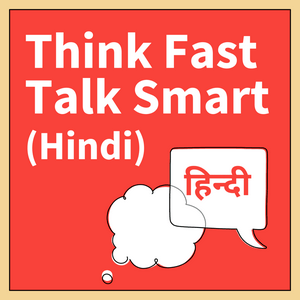
Think Fast Talk Smart (Hindi): Communication Techniques
Matt Abrahams, Think Fast Talk Smart
Último episódio
22 episódios
20. Quick Thinks: Don't Sweat the Small Talk
16/03/2026 | 18minEven if you don’t think you’re a natural, anyone can become proficient at the art of small talk by utilizing the right tactics and behaviors. In this collaboration with Harvard Business Review, strategic communications lecturer Matt Abrahams shares his tips and techniques for cocktail party chit chat, networking small talk, and holiday dinner-table conversation.
भले ही आपको लगता हो कि आप स्वाभाविक रूप से small talk में अच्छे नहीं हैं, फिर भी सही तकनीकों और व्यवहारों का उपयोग करके कोई भी व्यक्ति small talk की कला में कुशल बन सकता है।
Harvard Business Review के साथ इस सहयोग में,
Strategic Communication के लेक्चरर Matt Abrahams साझा करते हैं अपने सुझाव और तकनीकें, जिनकी मदद से आप बेहतर बन सकते हैं:
cocktail party की बातचीत में
networking small talk में
और छुट्टियों के दौरान डिनर टेबल पर होने वाली बातचीत में
Connect
Email Questions & Feedback → hello@fastersmarter.io
Episode Transcripts → Think Fast Talk Smart Website
Newsletter Signup + English Language Learning → FasterSmarter.io
Think Fast Talk Smart → LinkedIn | Instagram | YouTube
Matt Abrahams → LinkedIn19. Magic Words Change What You Say to Inspire and Influence Others
09/03/2026 | 44minWords have impact. But when it comes to enchanting audiences and captivating with communication, Jonah Berger, PhD ’07, says some words are more potent than others.
Berger is a Wharton School professor and an internationally bestselling author. His most recent book, Magic Words: What to Say to Get Your Way, identifies language we can use to communicate more effectively in all sorts of personal and professional contexts. “Subtle shifts in language can have a huge impact on everything from convincing clients and holding attention to connecting with loved ones in our lives,” Berger says.
Magic words allow us to change minds, engage audiences, and drive action. In this episode of Think Fast, Talk Smart, Berger and host Matt Abrahams discuss how we can leverage their power in our own communication.
शब्दों का प्रभाव होता है। लेकिन जब बात आती है दर्शकों को आकर्षित करने और अपनी कम्युनिकेशन से उन्हें प्रभावित करने की, तो Jonah Berger (PhD ’07) का कहना है कि कुछ शब्द दूसरों की तुलना में कहीं अधिक शक्तिशाली होते हैं।
Berger Wharton School के प्रोफेसर हैं और अंतरराष्ट्रीय स्तर पर बेस्टसेलिंग लेखक भी हैं।
उनकी नवीनतम किताब “Magic Words: What to Say to Get Your Way” यह बताती है कि हम अपनी व्यक्तिगत और पेशेवर बातचीत में अधिक प्रभावी तरीके से संवाद करने के लिए किस प्रकार की भाषा का उपयोग कर सकते हैं।
Berger कहते हैं:
“भाषा में छोटे-छोटे बदलाव भी बहुत बड़ा प्रभाव डाल सकते हैं — चाहे वह क्लाइंट को मनाना हो, लोगों का ध्यान बनाए रखना हो, या अपने प्रियजनों से बेहतर जुड़ना हो।”
ये “Magic Words” हमें सक्षम बनाते हैं:
लोगों की सोच बदलने में
दर्शकों को अधिक engage करने में
और लोगों को action लेने के लिए प्रेरित करने में
Think Fast, Talk Smart के इस एपिसोड में, Berger और होस्ट Matt Abrahams इस पर चर्चा करते हैं कि हम इन शक्तिशाली शब्दों का उपयोग अपनी कम्युनिकेशन को बेहतर बनाने के लिए कैसे कर सकते हैं।
Connect:
Email Questions & Feedback >>> hello@fastersmarter.io
Episode Transcripts >>> Think Fast Talk Smart Website
Newsletter Signup + English Language Learning >>> FasterSmarter.io
Think Fast Talk Smart >>> LinkedIn, Instagram, YouTube
Matt Abrahams >>> LinkedIn18. Get Hired: How the Right Communication Can Advance Your Career
02/03/2026 | 40minWhether winning over a hiring manager or winning new business, career success often hinges on how we communicate. That’s why Andrew Seaman is on a mission to help people find the words that work — to get work.
Seaman is the senior managing editor for jobs and career development at LinkedIn, and as the creator and host of the Get Hired podcast and newsletter, he helps millions hone communication skills to land the jobs they want. According to him, getting opportunities isn’t just about experience or connections, but how we frame and present our personal and professional narratives. With a standard resume, he says, “You're making them connect the dots. And people are not good at that.” Instead, he recommends crafting a story that explains where you’ve been, where you are, and where you hope to go. “Connect the dots for them,” he says, “so they're not viewing you as a person who has bounced around. They're thinking, this person has had a cohesive career.”
In this episode of Think Fast, Talk Smart, Seaman and host Matt Abrahams explore tools for navigating the interview process, networking on and offline, and communication strategies to get hired.
चाहे किसी हायरिंग मैनेजर को प्रभावित करना हो या नया बिज़नेस हासिल करना हो, करियर में सफलता अक्सर इस बात पर निर्भर करती है कि हम कैसे संवाद करते हैं। इसी वजह से एंड्रयू सीमन लोगों को सही शब्द खोजने में मदद करने के मिशन पर हैं — ताकि वे काम हासिल कर सकें।
सीमन, लिंक्डइन में जॉब्स और करियर डेवलपमेंट के सीनियर मैनेजिंग एडिटर हैं। साथ ही, “Get Hired” पॉडकास्ट और न्यूज़लेटर के क्रिएटर और होस्ट के रूप में वे लाखों लोगों को बेहतर कम्युनिकेशन स्किल्स विकसित करने में मदद करते हैं, ताकि वे अपनी मनचाही नौकरी पा सकें। उनके अनुसार, अवसर सिर्फ अनुभव या संपर्कों पर निर्भर नहीं करते, बल्कि इस बात पर भी निर्भर करते हैं कि हम अपनी व्यक्तिगत और पेशेवर कहानी को कैसे प्रस्तुत करते हैं।
वे कहते हैं कि एक सामान्य रिज़्यूमे के साथ, “आप सामने वाले से उम्मीद करते हैं कि वे खुद सारे बिंदुओं को जोड़ लें। और लोग इसमें अच्छे नहीं होते।” इसके बजाय, वे सलाह देते हैं कि एक ऐसी कहानी तैयार करें जो यह स्पष्ट करे कि आप कहाँ से आए हैं, अभी कहाँ हैं, और आगे कहाँ जाना चाहते हैं। “बिंदुओं को उनके लिए जोड़िए,” वे कहते हैं, “ताकि वे आपको इधर-उधर भटकने वाला व्यक्ति न समझें, बल्कि एक ऐसे व्यक्ति के रूप में देखें जिसका करियर स्पष्ट और सुसंगत रहा है।”
“Think Fast, Talk Smart” के इस एपिसोड में, सीमन और होस्ट मैट अब्राहम्स इंटरव्यू प्रक्रिया को समझदारी से नेविगेट करने के तरीकों, ऑनलाइन और ऑफलाइन नेटवर्किंग, और नौकरी पाने के लिए प्रभावी कम्युनिकेशन रणनीतियों पर चर्चा करते हैं।
Connect:
Email Questions & Feedback >>> hello@fastersmarter.io
Episode Transcripts >>> Think Fast Talk Smart Website
Newsletter Signup + English Language Learning >>> FasterSmarter.io
Think Fast Talk Smart >>> LinkedIn, Instagram, YouTube
Matt Abrahams >>> LinkedIn
Chapters:
(00:00) - Introduction
(02:33) - Importance of Online Presence
(03:28) - Posting on LinkedIn
(05:17) - Commenting vs. Posting
(06:48) - Interview Presence
(08:35) - Recovering from Bad Impressions
(09:24) - Interviewing from the Interviewer's Perspective
(12:01) - Challenging Interview Questions
(13:20) - Best Practices for Interviewees
(15:34) - Handling Spontaneity in Interviews
(18:53) - Following Up After Interviews
(21:19) - Broader Career Advice
(23:50) - The Final Three Questions
(28:32) - Conclusion17. It's Not About You: Why Effective Communicators Put Others First
23/02/2026 | 32minIt’s easy to feel like the star of the show when giving a presentation. But according to communication guru Nancy Duarte, you’re not the hero of this story.For Duarte, founder and CEO of world-renowned communication consulting firm Duarte Inc, effective communication is built on the foundation of empathy, which means considering your audience first and foremost. “All the attention is on us. But in reality, the audience is the one,” she says. “If they don’t leave with your idea adopted, your idea is going to die.”How can presenters use empathy to put their audience at center stage? As Duarte discusses with host Matt Abrahams in this episode of Think Fast, Talk Smart, it’s about seeking to understand before you start speaking.
प्रेज़ेंटेशन देते समय खुद को शो का स्टार समझना आसान होता है। लेकिन कम्युनिकेशन गुरु Nancy Duarte के अनुसार, इस कहानी के हीरो आप नहीं हैं।
Nancy Duarte, जो विश्व-प्रसिद्ध कम्युनिकेशन कंसल्टिंग फर्म Duarte Inc की संस्थापक और सीईओ हैं, मानती हैं कि प्रभावी संवाद की नींव सहानुभूति (Empathy) पर टिकी होती है — यानी सबसे पहले अपने दर्शकों को ध्यान में रखना। वे कहती हैं, “सारा ध्यान हम पर होता है। लेकिन वास्तव में दर्शक ही केंद्र में होते हैं। अगर वे आपकी बात या विचार को अपनाकर नहीं जाते, तो आपका विचार खत्म हो जाएगा।”
प्रेज़ेंटर सहानुभूति का उपयोग करके अपने दर्शकों को मंच के केंद्र में कैसे ला सकते हैं? इस एपिसोड में Think Fast, Talk Smart के होस्ट Matt Abrahams के साथ बातचीत में डुआर्टे बताती हैं कि बोलना शुरू करने से पहले समझने की कोशिश करना ही इसका मूल है।
Connect:
Email Questions & Feedback >>> hello@fastersmarter.io
Episode Transcripts >>> Think Fast Talk Smart Website
Newsletter Signup + English Language Learning >>> FasterSmarter.io
Think Fast Talk Smart >>> LinkedIn, Instagram, YouTube
Matt Abrahams >>> LinkedInHow To Be More Confident and Calm in Your Communication: Managing the "ABC's" of Communication Anxiety
16/02/2026 | 20minResearch-backed techniques on how to beat nervousness in the moment. In this episode, Matt uses clips from experts from previous Think Fast Talk Smart episodes to provide you with several communication anxiety management techniques to help you feel more comfortable and confident when you communicate. And as a guide to help us learn these techniques, he introduces the ABCs of anxiety management.Connect:Premium Signup >>>> Think Fast Talk Smart PremiumEmail Questions & Feedback >>> hello@fastersmarter.ioEpisode Transcripts >>> Think Fast Talk Smart WebsiteNewsletter Signup + English Language Learning >>> FasterSmarter.ioThink Fast Talk Smart >>> LinkedIn, Instagram, YouTubeMatt Abrahams >>> LinkedIn ********************************* Become a Faster Smarter Supporter by joining TFTS Premium.
इस episode में हम बात कर रहे हैं —
Research-backed techniques यानी शोध-आधारित तरीकों की, जिनसे आप उसी पल अपनी घबराहट (nervousness) को संभाल सकें।
इस episode में Matt, पिछले Think Fast, Talk Smart episodes के experts के clips का उपयोग करते हुए, आपको कई communication anxiety management techniques बताते हैं, ताकि जब आप बोलें तो आप ज़्यादा comfortable और confident महसूस करें।
इन techniques को समझने के लिए वे introduce करते हैं —
Anxiety Management के ABCs।
Connect:
Premium Signup >>>> Think Fast Talk Smart Premium
Email Questions & Feedback >>> hello@fastersmarter.io
Episode Transcripts >>> Think Fast Talk Smart Website
Newsletter Signup + English Language Learning >>> FasterSmarter.io
Think Fast Talk Smart >>> LinkedIn, Instagram, YouTube
Matt Abrahams >>> LinkedIn
Mais podcasts de Carreiras
 Career ToolsCarreiras, Negócios
 Conversas do AdamastorCarreiras, Negócios
 Ponto ZeroCarreiras, Negócios
 The Heart & Hustle of PortugalCarreiras, Negócios, Sociedade e cultura
 The Brutal Truth about Sales and Selling - We interview the world's best B2B Enterprise salespeople.Carreiras, Negócios
 Renascença - Negócios com ImpactoCarreiras, Negócios, Notícias, Notícias de negócios
 A Bit of OptimismCarreiras, Enriquecimento individual, Ensino, Negócios
 Think Fast Talk Smart: Communication TechniquesAprendizagem de idiomas, Carreiras, Comédia, Ensino, Improvisação, Negócios
 Second LifeArte, Carreiras, Diários pessoais, Moda e beleza, Negócios, Sociedade e cultura
- Think Fast Talk Smart (Hindi): Communication TechniquesCarreiras, Enriquecimento individual, Ensino, Negócios
Podcasts em tendência em Carreiras
- Think Fast Talk Smart (Hindi): Communication TechniquesCarreiras, Enriquecimento individual, Ensino, Negócios
- Career ToolsCarreiras, Negócios
 Becoming You with Suzy WelchCarreiras, Enriquecimento individual, Ensino, Negócios
 ROI Hunters | Marketing Digital & GrowthCarreiras, Enriquecimento individual, Ensino, Negócios
 The CMO PodcastCarreiras, Marketing, Negócios
 Outils du ManagerCarreiras, Negócios
- Ponto ZeroCarreiras, Negócios
Sobre Think Fast Talk Smart (Hindi): Communication Techniques
One of the most essential ingredients to success in business and life is effective communication.Join Matt Abrahams, best-selling author and Strategic Communication lecturer at Stanford Graduate School of Business, as he interviews experts to provide actionable insights that help you communicate with clarity, confidence, and impact. From handling impromptu questions to crafting compelling messages, Matt explores practical strategies for real-world communication challenges.Whether you’re navigating a high-stakes presentation, perfecting your email tone, or speaking off the cuff, Think Fast, Talk Smart equips you with the tools, techniques, and best practices to express yourself effectively in any situation. Enhance your communication skills to elevate your career and build stronger professional relationships.Subscribe now to unlock your potential as a thoughtful, impactful communicator. Learn more and sign up for our eNewsletter at fastersmarter.io.व्यवसाय और ज़िंदगी में सफलता पाने के लिए सबसे ज़रूरी चीज़ों में से एक है — असरदार बातचीत करना।मिलिए मैट अब्राहम्स से — जो कि एक बेस्ट-सेलिंग लेखक और स्टैनफोर्ड ग्रेजुएट स्कूल ऑफ़ बिज़नेस में स्ट्रैटेजिक कम्युनिकेशन के लेक्चरर हैं। इस पॉडकास्ट में वो अलग-अलग विशेषज्ञों से बातचीत करते हैं और ऐसे आसान, लागू किए जा सकने वाले सुझाव साझा करते हैं जो आपको और भी साफ़, आत्मविश्वास से भरा और प्रभावशाली ढंग से बात करने में मदद करते हैं। चाहे बात अचानक पूछे गए सवालों को संभालने की हो या दमदार संदेश तैयार करने की — मैट हर एपिसोड में असली ज़िंदगी की कम्युनिकेशन चुनौतियों के लिए व्यावहारिक तरीक़े तलाशते हैं।अगर आप किसी हाई-स्टेक प्रेजेंटेशन की तैयारी कर रहे हैं, अपने ईमेल के टोन को बेहतर बनाना चाहते हैं, या बिना तैयारी के भी प्रभावशाली बोलना सीखना चाहते हैं — Think Fast, Talk Smart आपको वो टूल्स, तकनीकें और बेस्ट प्रैक्टिसेस देता है जो किसी भी स्थिति में आपकी बात को असरदार बनाते हैं। अपनी कम्युनिकेशन स्किल्स को निखारिए, ताकि आप अपने करियर को ऊंचाई दें और मज़बूत प्रोफेशनल रिश्ते बना सकें।अभी सब्सक्राइब करें और एक सोच-समझकर, असरदार कम्युनिकेटर बनने की अपनी यात्रा शुरू करें। ज़्यादा जानने और हमारे eNewsletter के लिए साइन अप करने के लिए जाएँ — fastersmarter.io.
Sítio Web de podcastOuve Think Fast Talk Smart (Hindi): Communication Techniques, Career Tools e muitos outros podcasts de todo o mundo com a aplicação radio.pt
Obtenha a aplicação gratuita radio.pt
- Guardar rádios e podcasts favoritos
- Transmissão via Wi-Fi ou Bluetooth
- Carplay & Android Audo compatìvel
- E ainda mais funções
Obtenha a aplicação gratuita radio.pt
- Guardar rádios e podcasts favoritos
- Transmissão via Wi-Fi ou Bluetooth
- Carplay & Android Audo compatìvel
- E ainda mais funções
Think Fast Talk Smart (Hindi): Communication Techniques
Leia o código,
descarregue a aplicação,
ouça.
descarregue a aplicação,
ouça.
Think Fast Talk Smart (Hindi): Communication Techniques: Podcast do grupo
 Portugal