In this episode of Hypertrophy Past & Present, Jake and Chris revisit the Silver Era through one of the most iconic Silver Era bodybuilders, John Grimek, and his bulking plan. They then discuss what muscle protein synthesis (MPS) and muscle protein breakdown (MPB) really mean, dismantling the idea that “elevated MPS = muscle growth”. Key topics include:-John Grimek’s full-body gaining routine and the practical logic of Silver Era plans-MPS vs MPB and net protein balance-Why you can’t assume elevated MPS always reflects hypertrophy or protection from atrophy-How steroids physiologically make dieting and comp prep "easier"

--------
1:18:44
--------
1:18:44
028 How does dieting affect hypertrophy?
In this episode of Hypertrophy Past & Present, Jake and Chris go back to 1945 and break down Clancy Ross’ pre-contest “definition” routine to show how Silver Era lifters tried to get lean using their gym programming. From there they pivot into dieting and how caloric restriction, stress, glycogen, and glucocorticoids actually affect muscle protein synthesis and muscle protein breakdown. Key topics include:Clancy Ross’ 1945 full-body “reducing routine” and why even this questionable plan still beats most modern fat-loss programsA muscle-physiology model of dieting: suppressed MPS and when deficits become a stressor that ramps up muscle protein breakdownWhy anabolics (and even TRT) largely sidestep these dieting problemsPractical tips for naturals: adjusting training volume, keeping frequency high, pre-workout carbs, carb mouth-rinse, post-workout protein, and subjective stress load
--------
1:27:43
--------
1:27:43
027 Are 4 reps optimal?! New study: stimulating reps vs volume load
In this episode of Hypertrophy: Past & Present, Jake and Chris use a 1967 Bill Pearl program to jump from the silver era into the early steroid era, showing how training volume exploded once anabolics entered the picture. They contrast Bill Pearl’s high-volume, six-day split and contrast it with his earlier natural-era programming, before diving into a new study comparing heavy versus light loads in trained lifters and what it really means for stimulating reps, volume load, and rep range choices.Key topics include:Bill Pearl’s 1967 high-volume, six-day split and how it differs from his natural-era routinesHow anabolic steroids break the feedback loop and drive the shift toward extreme training volumesA new heavy vs light load study in trained liftersWhat this means for the stimulating reps model, volume load, and rep ranges for natural vs enhanced lifters
--------
1:12:37
--------
1:12:37
026 How does insufficient sleep affect hypertrophy / atrophy?

In this episode of Hypertrophy: Past & Present, Jake and Chris dive into a Bill Pearl full-body routine, using it as a bridge between the pre-steroid silver era and the early anabolic era. From there, they shift into part two of their sleep series, unpacking how sleep loss influences muscle atrophy and recovery in natural lifters.Key topics include:Bill Pearl’s 1957 full-body planThe difference between immobilisation/diet-induced atrophy vs stress/sleep-loss-induced atrophy Practical programming changes when sleep is poorWhy dieting hard while sleep-deprived is a recipe for muscle loss in naturals, and why enhanced lifters often don’t experience the same downside
--------
1:19:57
--------
1:19:57
025 How does insufficient sleep affect training?
In this episode of Hypertrophy: Past & Present, Jake and Chris break down Bob Hoffman’s basic athletic program through a modern physiology lens and unpack how insufficient sleep impacts training performance.Key topics include:Bob Hoffman’s silver era full-body athlete hypertrophy programSleep deprivation vs restriction vs cumulative sleep debtHow insufficient sleep affects hypertrophy training performancePractical strategies for adjusting a workout after poor sleep

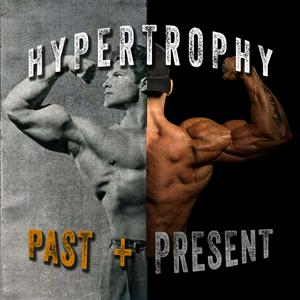
A deep dive into the science of muscle growth. Hosted by Chris Beardsley and Jake Doleschal, this podcast explores hypertrophy training through the lens of pre-steroid era bodybuilding and modern muscle physiology.